A GEO agency for product brands and retailers.
We make sure shoppers who ask an LLM what to buy are pointed to your products: through your feeds, your product pages and the sites that talk about you, checked against a frozen baseline.
 Reddit
 YouTube
 Reviews
 Wikipedia


 ChatGPT
 Claude
 Gemini
 Perplexity
 Copilot
 Grok
 Meta AI
 AI Overviews
Every model builds its shortlist from different sources, so a product can be named in one and missing in another. We track all eight and show you where you are named, and where a competitor is named instead.
Perplexity Dutch farm cheese you can order online, based on reviews and sources:
-
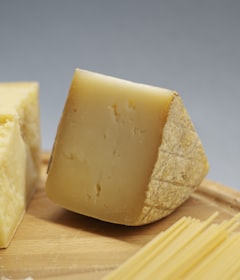 Best overallYour brand
De Linde Raw-milk farm Gouda, 18 months
€14.90
Made on the farm from raw milk and shipped fresh within 48 hours. My first choice for real farm cheese.
Best for: cheese lovers and gifts.
-
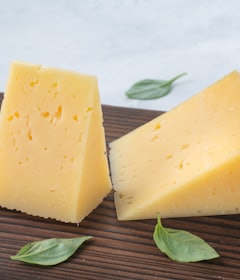 Best for everyday
Kaasland Old Gouda, 12 months
€11.50
A classic aged Gouda from a large dairy, widely available.
Best for: everyday cheese boards.
-
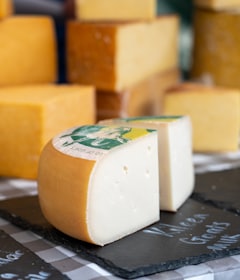 Best for variety
Hofwinkel Farm cheese mix box
€24.00
An assorted box with cheeses from several farms.
Best for: trying different cheeses.
Farm cheeses are sold in small batches, so availability varies by week.
Fictional brands, photos from Unsplash. Actual answers vary with model, market and day.
Shoppers describe a need, not a product
Ask an LLM what to buy and it does not return ten links, it returns a short list. Which products land on it depends on how readable and well vouched for they are, and that is what we work on.
Flip the demo between the answer shoppers get today and the answer once your feeds, product pages and mentions are in order.
Three layers, and we work on all three
For product questions an LLM draws on three sources. A brand that is only strong in one of them gets named less than one that is consistent in all three.
- 1
We improve your product feeds and catalogs
ChatGPT, Google’s AI Mode, Gemini and Meta AI increasingly pick products from merchant feeds and catalogs. They weigh price, availability, reviews and whether you are the primary seller. Complete, current product data per channel is the basis, and it is where your feed tool already plays a role.
What we do. We check what the feed says against the prompts that matter, and tell you which attributes to enrich: who the product is for, sizes and fit, materials, use cases.
- 2
We rewrite your product pages and listings
Marketplaces and retailer pages are among the most cited sources for product questions. Titles and descriptions that say clearly who a product is for, plus reviews, help an LLM match it to a specific question.
What we do. We rewrite titles, descriptions and category pages around the questions buyers ask, for example whether a shoe suits narrow or wide feet, and fix the technical side so it can be read and attributed.
- 3
We build what others say about you
An LLM recommends products others vouch for. Reddit and YouTube are among the most cited sources for product recommendations, followed by review and best-of sites such as Trustpilot, G2 and listicles, and by LinkedIn, Wikipedia, Medium and Substack.
- We write it. Posts, answers, review pitches and video briefs, from your real facts, products and tone of voice.
- You approve it. We work it out together, and nothing goes live without your sign-off.
- We place it. On the sites LLMs check before they recommend a product, such as Reddit, YouTube, LinkedIn, Trustpilot and best-of listicles, and we report which ones get cited.



 Shopping




Agents that shop for people
AI agents that shop on behalf of people are next. Walmart has opened its store to agents such as ChatGPT, Gemini and Meta AI, while Amazon restricts outside agents. Agents favour merchants with a complete catalog and recognisable brands, so the same three layers apply.
 Case in progress
SmaakGenot: getting makers and products recommended by LLMs
SmaakGenot.nl brings shops of Dutch local producers together: cheese, poultry, olive oil and more. Work began in October 2026. The aim is that these makers are named when people ask an LLM where to buy their kind of product. Baseline and results will be published on this page.
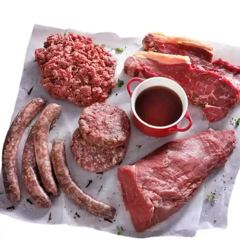
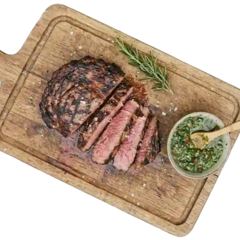
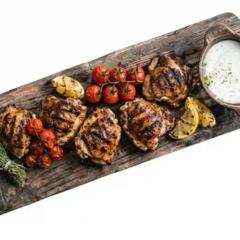
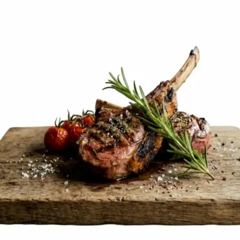
 Products from the shops we work on
- You“Where can I buy farm cheese online?”
- You“Best meat straight from the farmer”
Fewer visits, each one worth more
These are the numbers on shopping with assistants. Read them with the sample next to each: they come from other people, and they do not all point the same way.
of US shoppers say they use ChatGPT to shop. In the UK that is 60%, in Canada 64% and in Australia 70%.
Omnisend and Cint, survey of 4,000 consumers (January 2026)of US shoppers rate ChatGPT’s product recommendations above those of search engines.
Omnisend and Cint survey (January 2026)year-on-year growth of AI-referred visits to US retail sites in May 2026, and those visits converted 54% better than other traffic.
Adobe Analytics, reported by Digital Commerce 360 (May 2026)more revenue per visit from AI-referred traffic than from all other traffic, with 60% better conversion and a 33% lower bounce rate.
Adobe Analytics for US retail (July 2026), via Digital Commerce 360Each figure names its sample. One survey was commissioned by a vendor, and a 2026 study of 973 webshops found ChatGPT traffic converting worse than Google organic. We therefore measure every client against their own baseline.
Six things, done properly
Everything we do for product brands comes back to one question: when a shopper asks an LLM what to buy, is it your product that is named? These are the six parts of the work.
- 01
Prompt research
We list the needs shoppers describe to an LLM, by market, and pick the prompts worth winning.
- 02
Feeds and catalogs
We check your feed against those prompts and tell you which attributes to enrich.
- 03
Product pages and listings
We rewrite titles, descriptions and category pages around the questions buyers ask.
- 04
Third-party mentions
We create content with you and place it where LLMs look before they recommend a product.
- 05
Tracking and reporting
A dashboard against your frozen baseline, per market.
- 06
Agentic readiness
NextWe keep your catalog complete and your brand recognisable for the AI agents that shop for people.
Questions product brands ask us
What does a GEO agency for product brands do?
We find the prompts shoppers ask LLMs, measure which products and shops get named, and work on the three things that decide it: your feeds and catalogs, your product pages and listings, and what other sites say about you. Results are checked against a baseline frozen before we started.
Which LLMs do you cover?
ChatGPT, Claude, Gemini, Perplexity, Copilot, Grok, Meta AI and Google AI Overviews. The same question gets a different answer in each, and answers change by market and day, so we track many prompts and work on a chosen set.
Do you work on product feeds?
Yes, alongside your feed tool or agency. We check what the feed says against the prompts that matter and tell you which attributes to enrich: who the product is for, sizes and fit, materials and use cases.
Can you promise sales from LLMs?
No. Studies disagree on how traffic from assistants converts in e-commerce, which is why we measure against your own baseline instead of assuming. We also measure how shoppers actually find you: a required "How did you hear about us?" question at checkout or on your contact form shows how many customers came through an LLM, and what they asked it. We promise a clear plan and honest reporting.
What does it cost?
Three packages (Core, Scale and Max), each one flat monthly fee, with no setup fee and a three-month minimum. Pricing is on request, and a longer contract lowers the monthly fee.
Where we are useful, and where we are not
You sell products with a catalog, in your own shop or on marketplaces. Shoppers ask LLMs what to buy and other brands get named where yours does not.
You have no product catalog yet, or you sell only through one local shop.
See where your products stand in LLM answers
Send us your shop address and the products you most want named. We come back with the prompts shoppers use, who is named today, and what is worth fixing first.